


When it comes to mastering roulette wheel simulators, Roulette Wheel Simulator Game Account Email Confirmation, you’ll find that the progression can be unexpectedly brief. With convenient access to online tools, you can train regularly without the pressure of financial stakes. This steady practice helps you develop decision-making abilities and a better grasp of betting strategies. But what happens when you start trying with different methods? The understandings you gain might just alter how you perceive the game completely.
Key Takeaways
- Roulette simulations allow users to train at their own pace, assisting to speed up progression effectively through repeated exposure.
- Participating in simulations helps enhance decision-making skills and risk evaluation, crucial for excelling in the game rapidly.
- Regular practice through simulations aids emotional management, allowing UK players to deal with wins and losses efficiently.
- Utilizing different wagering tactics in simulators offers understanding into their efficacy without monetary danger, enhancing tactic adjustment.
- Involvement with the community and guidance from experienced players can greatly accelerate the progression for those mastering the game in the UK.
Understanding the Basics of Roulette
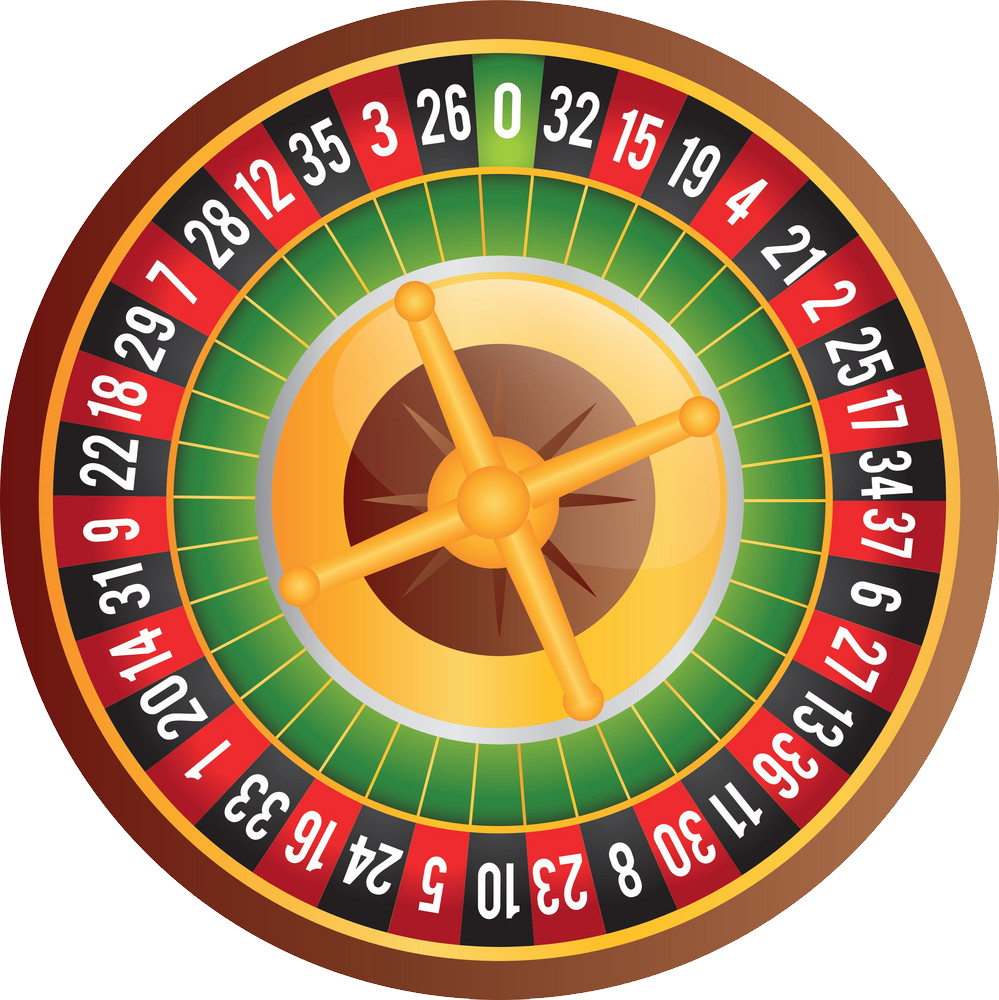
Roulette is an thrilling game of chance that draws players into its swirling realm of numbers and hues. To get started, you’ll want to familiarize yourself with the layout of the gaming table. It includes digits ranging from 0 to 36, divided into crimson and ebony sections, along with a green zero (and double zero in American roulette).
Comprehending the types of wagers is crucial. You can make internal wagers on particular numbers or external wagers that include larger groups like colors, odds, or even numbers.
Each wager has varied odds and payouts, so knowing which choice suits your style is important. With experience, you’ll develop a sense for the game and learn how to navigate its twists and turns with confidence.
The Importance of Simulators in Skill Development
Simulators play a vital role in enhancing your skills by providing a secure environment to improve decision-making.
They allow you to practice risk assessment in real-time, helping you understand the potential outcomes of your decisions.
Plus, with instant performance analysis, you can quickly learn from your mistakes and enhance your game.
Enhancing Decision-Making Skills
As you explore the world of gaming, you’ll quickly realize that decision-making is crucial to success. When playing roulette, every spin is an chance to improve your choices.
Simulators provide a safe environment where you can practice your decision-making skills without the pressure of real stakes. You can experiment with different strategies and watch their outcomes, allowing you to learn from both successes and mistakes.

This hands-on experience helps you become more intuitive and confident in your choices. Over time, you’ll notice that your ability to assess situations and make rapid decisions enhances significantly.
Risk Assessment Practice
While refining your gaming skills, assessing risks efficiently can make a notable difference in your overall strategy.
Using roulette wheel simulators allows you to practice assessing potential outcomes without the pressure of real stakes. You get to recognize patterns and comprehend the probabilities involved in each bet, giving you the confidence to make informed choices.
By mimicking high-risk scenarios, you learn how to balance potential rewards against possible losses. This practice helps refine your instinct for risk management, essential for any player aiming to improve.
Embracing such simulators in your training allows you to test freely, boosting your ability to assess risks under pressure, ultimately leading to smarter plays and improved results at the table.
Immediate Performance Analysis
When you utilize a roulette wheel simulator, you’re not just playing a game; you’re gaining immediate feedback about your strategies and decisions. This instant analysis allows you to evaluate what’s working and what isn’t, so you can alter your approach on the fly.
By simulating different betting scenarios, you swiftly learn the outcomes of various tactics without the risk of losing real money. You can recognize strengths and weaknesses in your gameplay, enabling you to refine your skills swiftly.
Plus, this real-time feedback helps solidify your understanding of the game, turning theoretical knowledge into applied ability. Ultimately, simulators https://www.ibisworld.com/united-states/industry/accommodation-and-food-services/1658/ are invaluable tools for mastering roulette, enabling you to advance faster and more confidently in your gaming journey.
Analyzing Common Strategies Used by Players
Many players, eager to enhance their chances of winning, rely on a variety of strategies while spinning the roulette wheel.
One common method is the Martingale strategy, where you double your bet after every loss, hoping to recover lost funds with a single win.
Others favor the Fibonacci strategy, betting based on a sequence of numbers, which provides a more controlled approach.
There’s also the D’Alembert strategy, where you alter your bets up or down based on your wins or losses.
While each strategy has its benefits, it’s crucial to know they don’t change the house edge.
Choosing a strategy that matches your style and sticking to it can make your gameplay more pleasurable and structured.
The Role of Practice in Mastering the Game
Practicing frequently not only builds your confidence but also improves your skills as you maneuver through the challenges of roulette. Each turn of the wheel provides a opportunity to improve your tactics, analyze outcomes, and adjust your method.
The more you participate, the better you grasp betting patterns, probabilities, and the game’s nuances. You’ll discover yourself taking quicker decisions, noticing trends, and even formulating your own strategies over time.
Regular practice aids you stay concentrated, enabling you to learn from mistakes and rejoice in small successes. By involving yourself in the game through a roulette simulator, you form a secure setting for trial without the stress of a real casino, allowing it more manageable to excel at this exciting game.
Psychological Elements That Affect Learning
When learning to play roulette, your choices are often affected by psychological aspects that can distort your decision-making.
Cognitive biases might drive you to make unwise wagers, while feelings can push you to take unnecessary chances.
Cognitive Bias Influence
How do cognitive biases influence your acquisition of knowledge in a roulette wheel simulator? These biases can substantially impact how you handle information and make choices.
For example, the gambler’s fallacy might lead you to think that past rotations influence future consequences, distorting your approach. Confirmation bias might drive you to fixate solely on successful trends while disregarding failures.

Anchoring bias can also skew your view, causing a particular gamble seem more enticing based on previous successes, despite overall odds.
Comprehending these biases can help you adjust your approach, enabling more logical decision-making. By identifying their impact, you can remove mental hurdles and improve your educational journey in mastering the roulette wheel simulator.
Emotional Choices
While engaging with a roulette wheel simulator, your emotions can heavily influence your decision-making process. When you’re feeling confident, you might take bolder risks. Conversely, nervousness can lead to reluctance and indecision. Recognizing your emotions is vital for effective learning.
Here are some key emotions that can affect your gameplay:
- Thrill can drive impulsive bets.
- Frustration may lead to chasing losses.
- Apprehension might cause you to pull back or avoid taking risks.
- Elation can obscure judgment after a win.
- Disappointment can negatively impact your future decisions.
Understanding these factors helps you maintain control, making your learning experience with the simulator more manageable and effective.
Stay aware, and you’ll hone your skills more rapidly.
How Technology Enhances the Learning Experience
Technology greatly enhances the learning experience by providing engaging tools that captivate and motivate users.
With roulette simulators, you can test strategies in a risk-free environment, allowing you to make mistakes and learn from them without monetary pressure. These platforms often use real-time analytics to track your progress, helping you spot patterns and adjust your approach accordingly.
Additionally, video tutorials and live streams can introduce advanced techniques, breaking down complex concepts into bite-sized, digestible pieces. You can interact with other learners through online forums, sharing insights and tips that enhance your understanding.
Success Stories: UK Players Who Have Mastered Roulette
Many UK players have transformed their roulette gameplay from novice to pro, showcasing what dedication and the right strategies can achieve. Their journeys inspire others to dive into the world of roulette.
Here are some key aspects of their success:
- Persistent Practice
- Strategic Betting
- Emotional Control
- Community Support
- Adaptability
These stories confirm that with passion and perseverance, anyone can master roulette and relish the thrill of the game.
Frequently Asked Questions
What Are the Best Tips for Beginners in Roulette?
Start with simple bets like red or black. Set a budget and adhere to it. Train using a roulette simulator. Familiarize yourself with the rules. Finally, remain relaxed and savor the game without pressure.
How Much Time Should I Dedicate to Practice Each Week?
You should dedicate at least 3 to 5 hours each week for practice. Regular practice helps you understand strategies and develop confidence. Adjust your schedule based on your progress and understanding to optimize improvement.
Can I Improve My Odds Through Specific Betting Patterns?
Yes, you can enhance your odds by using particular betting patterns. However, remember that roulette is essentially a game of chance. Experimenting with strategies might help you be more in control, but luck’s still key.
Is There a Difference Between Online and Live Roulette Learning?
Yes, there’s a difference. Online roulette provides instant feedback and flexibility, while live roulette offers a social environment and real-time interactions. You’ll acquire knowledge differently based on which setting you choose to play in.
What Common Mistakes Do New Players Make in Roulette?
New gamblers often stake more than they can handle, ignore basic tactics, chase losses, and mishandle their bankroll. They also frequently concentrate on single numbers instead of spreading bets for better long-term outcomes.
Conclusion
In conclusion, conquering roulette through simulators is an thrilling journey that can substantially improve your skills. With regular practice, you’ll not only comprehend the basics and strategies but also enhance your judgment and self-assurance at the tables. Adopt the technology available, participate with different scenarios, and don’t hesitate to learn from other players’ achievements. With commitment and the right approach, you’ll find yourself steering the roulette wheel like a pro in no time.